
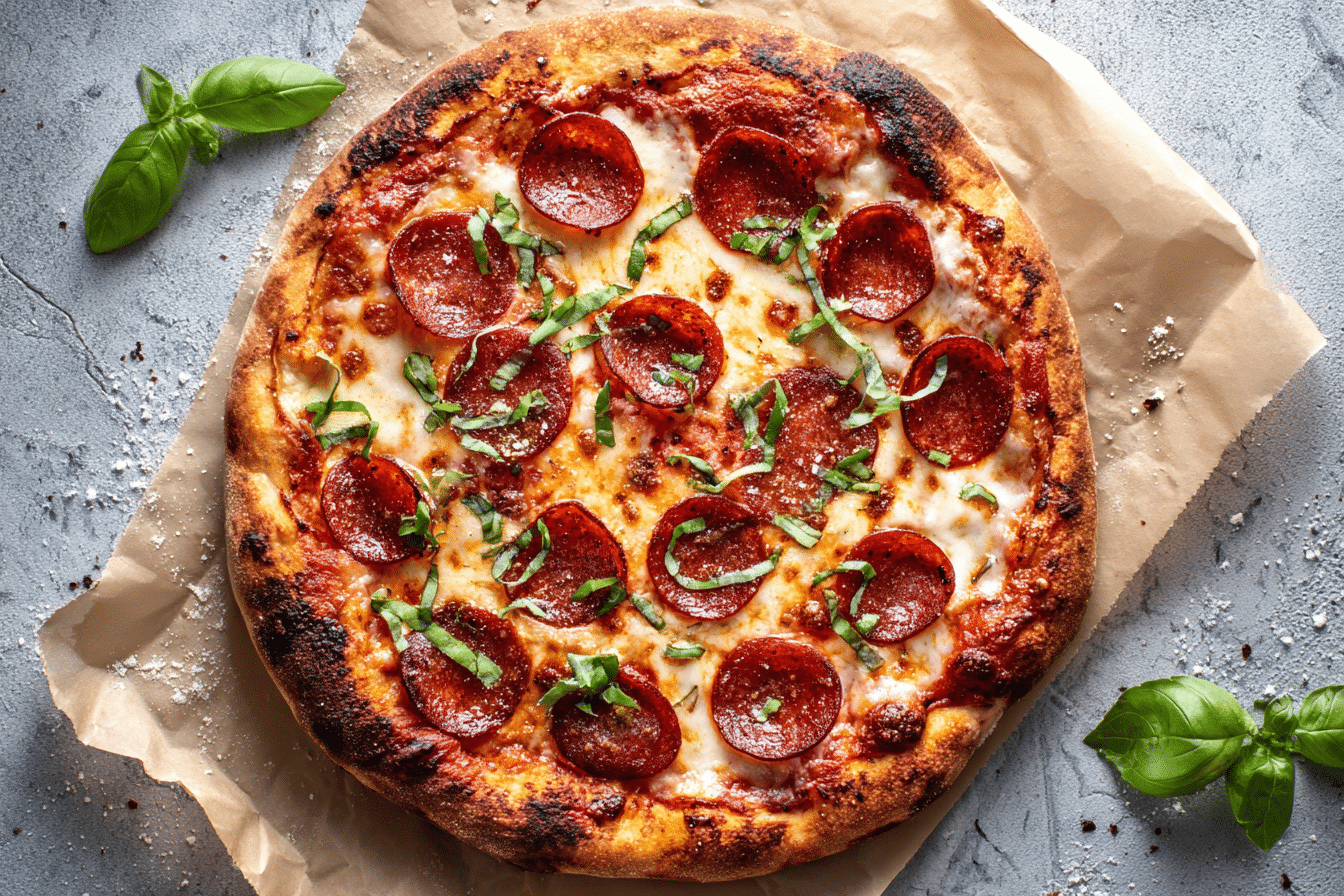
Neapolitan pizza dough is the heart of traditional Italian pizza — known for its soft, chewy interior, crisp leopard-spotted edges, and simple ingredients. Originating from Naples, Italy, this dough is made with just flour, water, salt, and yeast, allowing the natural flavors and textures to shine through after a slow, cold fermentation.
Whether you’re using a home oven, pizza stone, or outdoor pizza oven, this dough transforms into that unmistakable Neapolitan-style crust: blistered on the outside, pillowy on the inside, and the perfect base for classic toppings like fresh mozzarella, tomatoes, and basil.
Ingredients Overview
Tipo 00 Flour
This ultra-fine Italian flour is the gold standard for Neapolitan pizza. It creates a light, airy dough with just the right elasticity.
Alternatives:
-
All-purpose flour (good substitute, but not as soft)
-
Bread flour (more chew, less traditional)
Look for high-quality Italian Tipo “00” flour like Caputo.
Water
Use lukewarm filtered water to activate the yeast and hydrate the flour. Too hot and it can kill the yeast; too cold and it slows fermentation.
Ratio Tip: Classic Neapolitan dough uses about 60–65% hydration (i.e., 60–65g water per 100g flour).
Yeast
Traditionally, fresh yeast is used in small amounts. Instant dry yeast is more accessible and works perfectly for home bakers.
Use:
-
0.2–0.5% yeast relative to flour weight for long ferment (1/4 tsp for 500g flour)
-
More if you’re making same-day dough (1 tsp for 500g flour)
Salt
Fine sea salt strengthens the dough, slows fermentation, and enhances flavor.
Don’t skip or reduce it — it’s critical to proper dough structure and taste.
Olive Oil (Optional)
Traditional Neapolitan dough does not include oil, but home ovens sometimes benefit from a small addition (1–2 tsp) to enhance softness.
Step-by-Step Instructions

Step 1: Mix the Dough
In a large bowl, combine:
-
500g (3⅓ cups) Tipo 00 flour
-
325g (1⅓ cups) lukewarm water (65% hydration)
-
2 tsp fine sea salt
-
¼ tsp instant yeast
Mix with your hand or wooden spoon until a shaggy dough forms. Let it rest for 20–30 minutes (autolyse).
Optional Add: 1 tsp olive oil for added softness if baking in a home oven.
Step 2: Knead the Dough
Knead the dough on a clean surface for 8–10 minutes until smooth and elastic. It should be slightly tacky but not sticky.
Shortcut: Use a stand mixer with a dough hook on low speed for 6–8 minutes.
Step 3: Bulk Fermentation
Place the dough in a lightly oiled bowl, cover with plastic wrap or a damp towel, and let it rise at room temperature for 1–2 hours until slightly puffy (not doubled).
Then, refrigerate for 12–72 hours for cold fermentation. This slow rise develops rich flavor and the signature Neapolitan texture.
Step 4: Divide and Ball
After cold fermentation, divide dough into 2 or 3 equal portions (about 250–270g each for 10–12” pizzas).
Shape each into a tight ball by folding the edges under and rolling on the counter.
Place in a lightly floured container or tray. Cover and let rest at room temperature for 2–4 hours before baking.
Step 5: Stretch the Dough
On a floured surface, gently press the dough from the center outward, leaving a 1-inch border untouched for the crust. Use your hands only — no rolling pin — to preserve air bubbles.
Lift and stretch the dough to a thin 10–12 inch round.
Tip: If the dough resists stretching, let it rest 5–10 minutes and try again.
Step 6: Add Toppings & Bake
Top with classic ingredients like:
-
Crushed San Marzano tomatoes
-
Fresh mozzarella (preferably fior di latte or buffalo)
-
Fresh basil
-
Olive oil drizzle
Bake at highest possible heat:
-
Home oven with pizza stone or steel: 500°F (260°C) for 7–9 minutes
-
Outdoor pizza oven: 800°F+ for 60–90 seconds
-
Preheat your stone for at least 45 minutes before baking
Bake until crust is puffed, golden, and slightly charred in spots.
Tips, Variations & Substitutions
Pro Tips
-
Weigh your ingredients for accuracy — flour hydration is key.
-
Cold ferment for 24–48 hours minimum for best flavor.
-
Use a pizza peel or inverted baking sheet to slide dough onto a hot stone.
-
Less yeast = longer fermentation but better taste and texture.
Variations
-
Same-day dough: Use 1 tsp yeast and let rise for 3–4 hours at room temp.
-
Whole wheat version: Substitute 25% of flour with whole wheat.
-
Stuffed crust: Fold mozzarella sticks into the edge before baking.
Substitutions
-
No Tipo 00? Use bread flour for chew, or all-purpose for a softer crust.
-
No pizza oven? Use a hot cast iron skillet in the oven for a similar effect.
Serving Ideas & Occasions
Neapolitan pizza dough is perfect for:
-
Classic Margherita pizza
-
Bianca pizzas with ricotta, mozzarella, and garlic
-
Prosciutto & arugula with shaved Parmesan
-
Pizza night parties — let everyone stretch and top their own
-
Weekends or meal prep — make dough ahead and refrigerate
Pair with:
-
Chilled red wine or sparkling water
-
Caesar salad or caprese salad
-
Roasted garlic dip or chili oil drizzle
Nutritional & Health Notes
This dough is:
-
Naturally vegan
-
Made with simple whole ingredients
-
Lower in fat than American-style pizza crusts
-
Easily digestible due to long fermentation
Per 10-inch pizza dough (approx.):
-
Calories: ~350
-
Carbs: ~65g
-
Protein: ~10g
-
Fat: ~2g (without oil)
-
Fiber: ~2g
To make it lighter:
-
Use whole wheat flour for more fiber
-
Skip the cheese or use part-skim mozzarella
-
Load up with veggies instead of meat toppings
FAQs
Q1: Can I freeze Neapolitan pizza dough?
Yes! After dividing and balling, freeze dough balls individually in plastic wrap. Thaw in the fridge overnight, then bring to room temp 2 hours before using.
Q2: Why does my dough tear when I stretch it?
It may be under-kneaded or too cold. Let it rest at room temp and avoid overhandling. A long fermentation also improves elasticity.
Q3: Do I need a pizza stone?
It’s highly recommended. A stone or steel helps mimic the high heat of a pizza oven and gives that crispy, leopard-spotted crust.
Q4: How long should I cold ferment the dough?
Ideally 48–72 hours. It develops complex flavor and better texture. You can use it after 24 hours if needed.
Q5: Why is my crust not puffing up?
The oven might not be hot enough. Also check that your yeast is active and your dough had enough rest before baking.
Q6: Can I make mini pizzas with this dough?
Absolutely! Divide into smaller balls (100–120g) for personal-size pizzas or appetizers.
Q7: What’s the difference between Neapolitan and New York-style dough?
Neapolitan is softer, lighter, and uses no sugar or oil. New York-style includes oil and sugar, has more chew, and is sturdier for folding.
PrintNeapolitan Pizza Dough – Authentic, Chewy & Light Crust Recipe

Authentic Neapolitan pizza dough with just four ingredients. Soft, chewy, and perfect for high-heat baking — ready for your favorite toppings.
Ingredients
-
500g Tipo 00 flour (3⅓ cups)
-
325g lukewarm water (1⅓ cups)
-
2 tsp fine sea salt
-
¼ tsp instant yeast
-
Optional: 1 tsp olive oil (for home oven use)
Instructions
-
Mix flour, water, salt, and yeast in a bowl until shaggy. Rest 20 min.
-
Knead until smooth and elastic (8–10 minutes).
-
Let rise 1–2 hours at room temp, then cold ferment 12–72 hours.
-
Divide into 2–3 balls. Let rest at room temp for 2–4 hours.
-
Stretch by hand into 10–12 inch circles. Top as desired.
-
Bake at 500°F+ on a hot pizza stone for 7–9 minutes or until bubbly and golden.
Notes
-
Use bread or all-purpose flour if you can’t find Tipo 00
-
Cold ferment improves flavor and texture significantly
-
Use a pizza peel to transfer to oven or pizza oven